

On this page
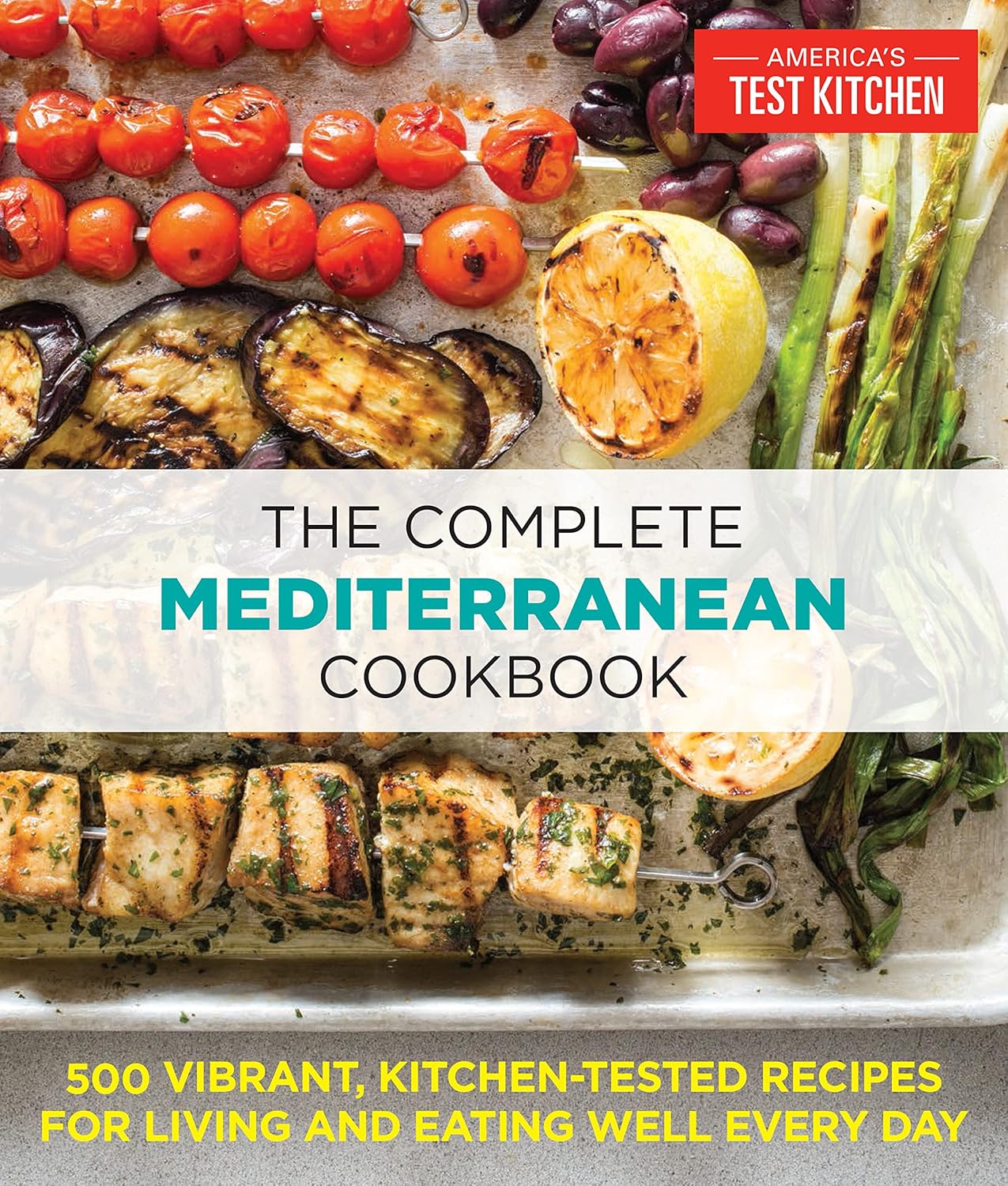
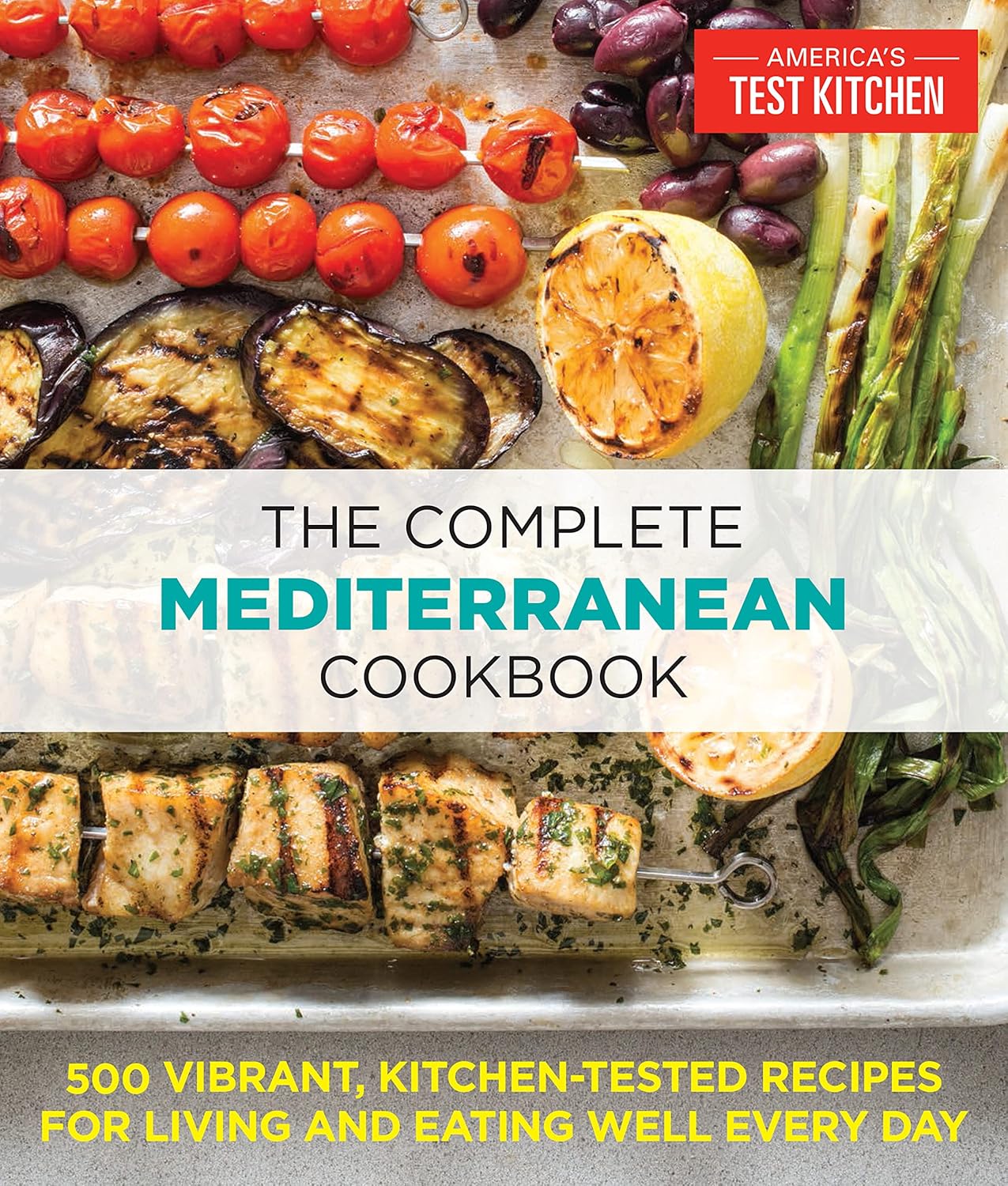
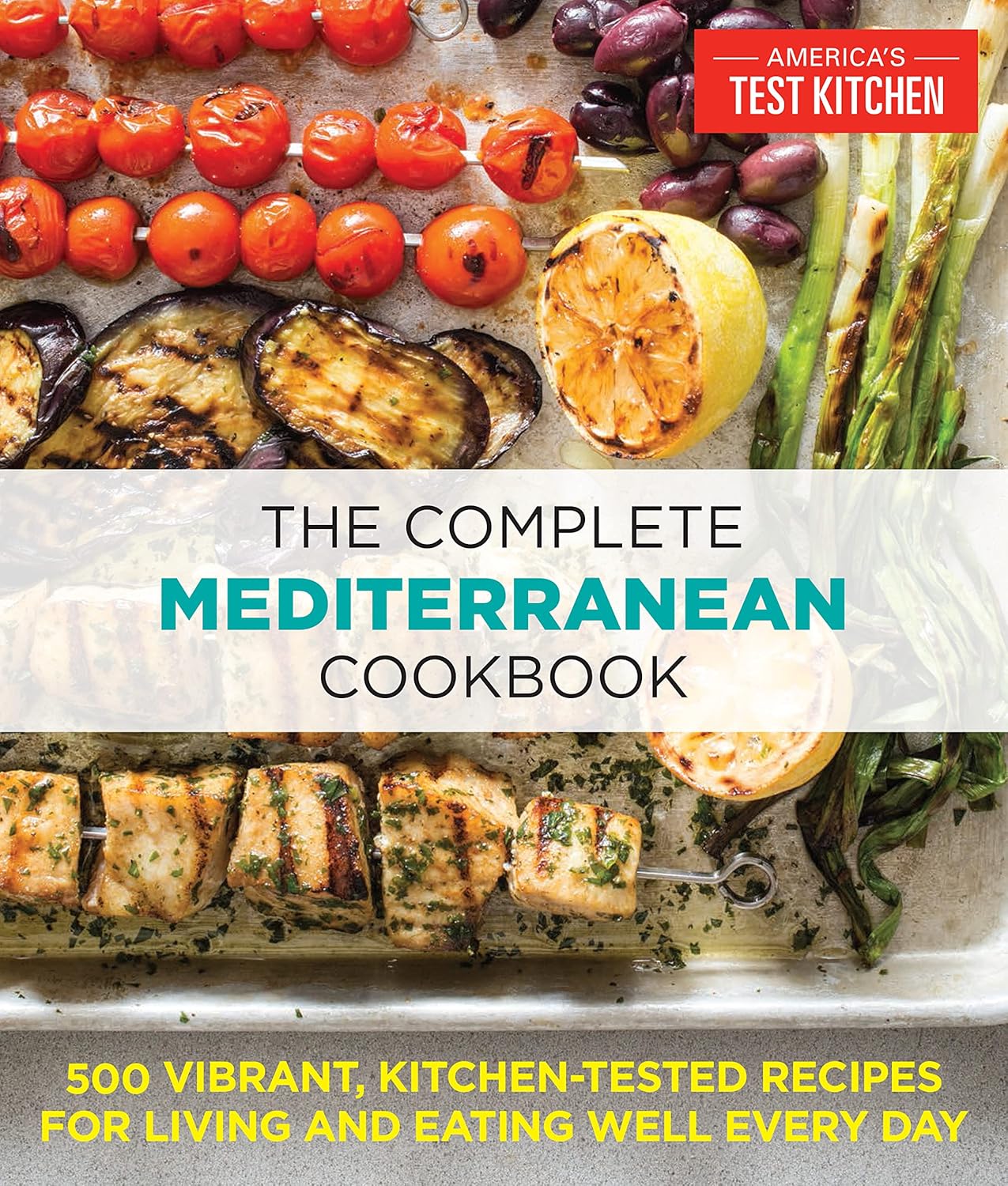
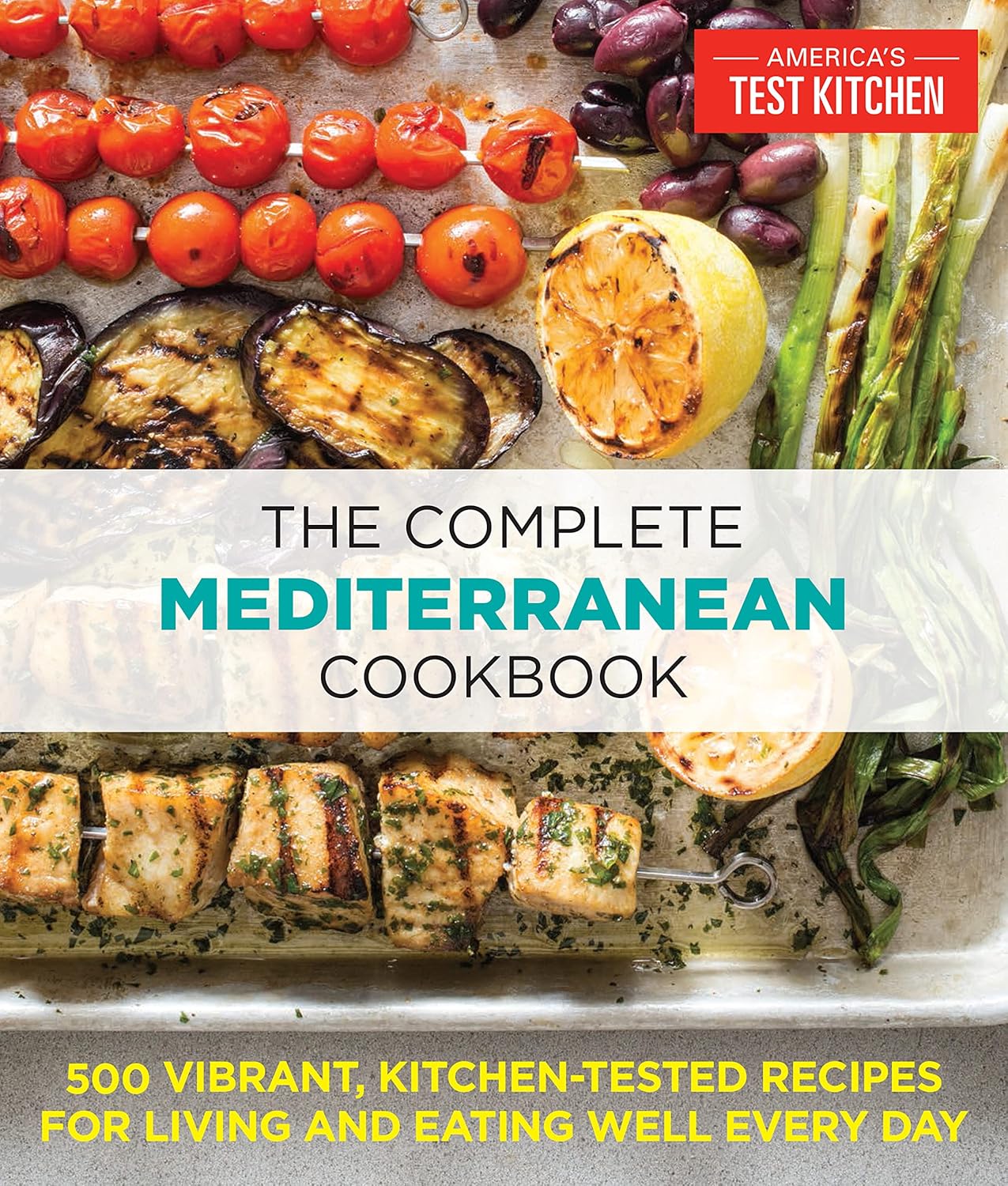
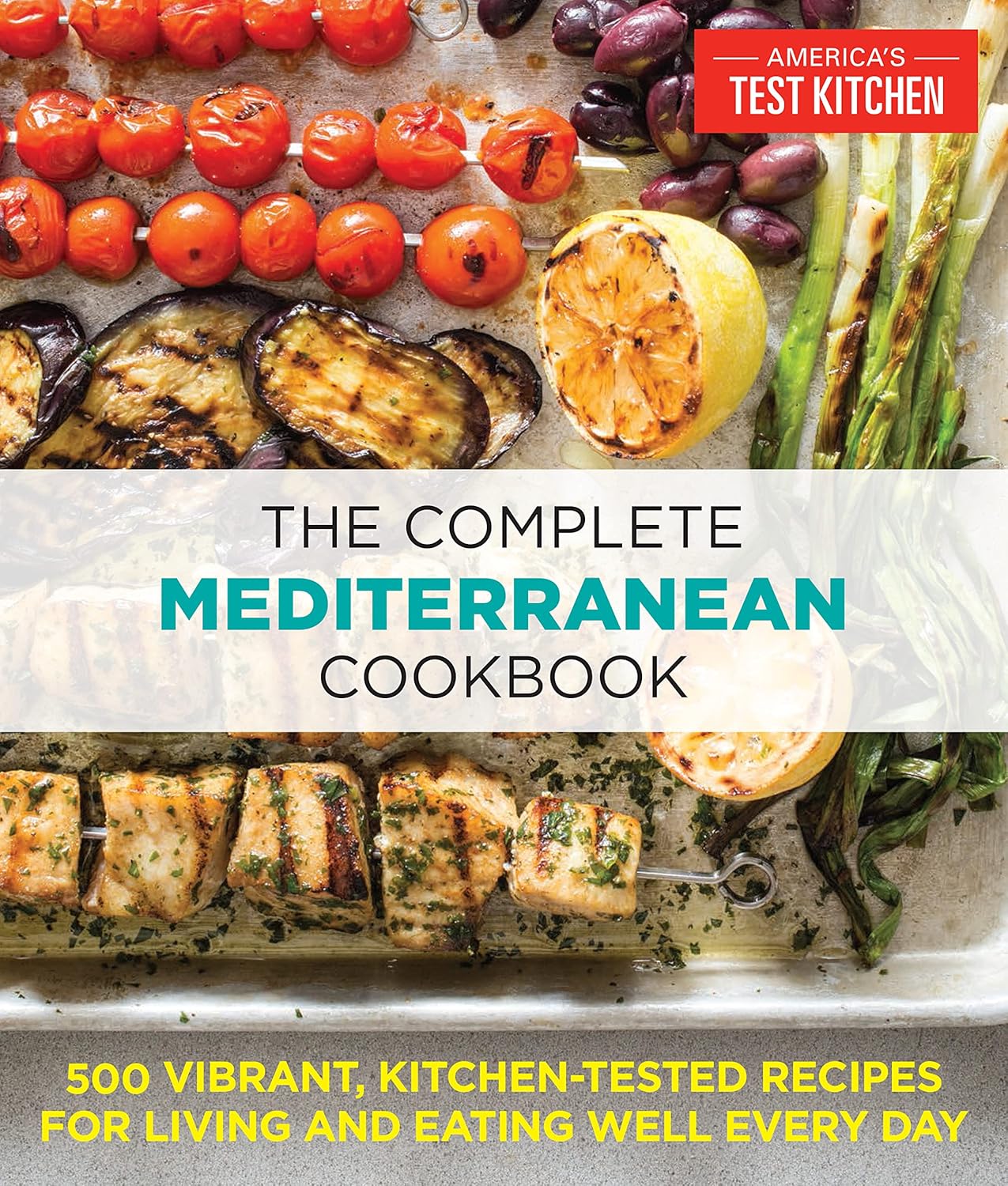
The Complete Mediterranean Cookbook by America’s Test Kitchen
Check availability:
Pricing & availability on Amazon, affiliate link.
As an Amazon Associate, KitchenDesk earns from qualifying purchases. Some of the links on this page are affiliate links, we may earn a commission at no extra cost to you. Full disclosure.
America’s Test Kitchen’s Complete Mediterranean Cookbook is the rare diet-adjacent cookbook that’s actually useful in a real kitchen. It’s not a manifesto wrapped in recipes; it’s 500-plus tested dishes you can actually cook tonight, built on supermarket staples and explained with enough technical clarity that you understand the why behind each step. The catch: if you’re hunting for deep Levantine, North African, or Spanish regional mastery, the book’s center of gravity leans decidedly Greek and Italian.
| Author | America’s Test Kitchen |
| Publisher | America’s Test Kitchen |
| Publication Date | December 27, 2016 |
| Print Length | 439 pages |
| Format Reviewed | Kindle ebook (also available in print) |
| Cuisine Focus | Mediterranean, Greece, Italy, Turkey, Egypt, and surrounding regions |
| Recipe Count | 500+ |
| Nutritional Info | Per-recipe guidelines included |
| Copies Sold | 600,000+ (per publisher) |
What’s Inside
The book moves through the full arc of Mediterranean eating: soups and stews, salads, vegetables, beans and grains, pasta and couscous, seafood, poultry, meat, and sweets. An introductory section covers Mediterranean diet principles and pantry-building, the kind of scaffolding you’d expect from ATK’s test-kitchen ethos, so you understand not just the how but the why. Recipes draw from Greece, Italy, Turkey, Egypt, and other regional traditions, with a mix of seafood, meat, and plant-based dishes. Photography is large and colorful throughout. Every recipe includes per-recipe nutritional information and a time estimate, with many flagged as achievable in 45 minutes or fewer.
Strengths
- Instructions explain technique, not just steps. As reviewer bandbgirl noted, “The authors explain why they do certain things (e.g. braising vs. baking)”, that scaffolding turns a recipe into a learning opportunity. You understand not just what to do but why a particular method matters.
- Core ingredients are genuinely supermarket-findable. The publisher claims all essential Mediterranean pantry items come from standard grocery stores, and reviewer CParks corroborated this, praising “educational information concerning unusual ingredients and suggestions for commonly available substitutes.”
- Per-recipe nutritional info and time estimates matter. If you’re cooking for health reasons, not just curiosity, these details are printed alongside every dish, making the book function as both reference and planning tool.
- Range is real. 500-plus recipes across vegetables, beans, grains, seafood, poultry, meat, and desserts means this book can be your primary weeknight reference, not a specialty supplement you pull out for one category of dishes.
- Photography is functional, not aspirational. The images are large, colorful, and matched to recipes, giving you a realistic visual target rather than food-stylist shots that bear no resemblance to what you’ll actually plate.
- Beginner-friendly without being reductive. Reviewer Maria, a self-described newbie to Mediterranean cooking, found the book organized and accessible; reviewer Kathy Lenehan, returning to cooking after years away due to health concerns, called it a “go-to guide for healthy eating.” The format works for both.
Weaknesses
- Cuisine coverage skews Greek and Italian. Cooks specifically seeking deep Levantine, North African, or Spanish regional depth may find those sections feel lighter than the broad title suggests. It’s a cross-regional overview, not a definitive reference for any single tradition.
- Kindle file size and mobile usability. At 552.9 MB, the Kindle edition carries heavy photo assets. On a small phone screen, full-page photos may not render at the quality that makes them useful as a cooking reference.
- Flavor profile is distinctly “diet” healthy. Some reviewers note the recipes skew toward the lighter, more virtuous end of Mediterranean home cooking. If you want a lard-braised lamb shank or a butter-rich pastry, this may not be your book, it’s leaner by design.
- Browsing 439 pages can be slow without a strong index. With this volume of recipes, physical navigation can feel cumbersome.
Cooking from It
Recipe Clarity & Instructions
I made the zucchini and feta fritters on a Tuesday night, bandbgirl mentioned them in her review, and I wanted to test whether ATK’s instruction clarity held up in my actual kitchen. The batter-consistency guidance was explicit: the book told me not just to combine ingredients but to watch for the specific texture that signals the batter is ready to fry. More importantly, it explained why this matters (overworked batter yields dense fritters). I followed the temperature and timing cues, and they came out crisp outside, creamy inside, with no guesswork. The instructions anticipated a common failure point, I would have overmixed without that explanation.
I tested the orzo with lemon shrimp next, another recipe bandbgirl called out. The pasta-cooking instructions accounted for starch and sauce absorption, a detail most cookbooks skip, which meant I didn’t need to adjust water or pasta texture halfway through. The book told me to reserve starchy pasta water before draining, then explained how much to add back to finish the sauce. Forty minutes from grocery bag to plate, and the timing estimate was honest.
Where ATK’s format really distinguished itself: the book didn’t just tell me to braise chickpeas or roast them; it explained when and why to use each method. That’s the difference between following a recipe and understanding cooking.
Ingredient Accessibility
I shopped the grocery list cold, no specialty store run unless the recipe flagged it. The book held up on its core claim: olive oil, garlic, canned beans, dried pasta, standard spices, and supermarket fish are the backbone. But I hit a few real friction points on the edges. Preserved lemons aren’t in my regular grocery rotation; the book acknowledged this and offered a workable substitute (lemon zest plus salt, which changes the texture slightly but delivers the right flavor note). Harissa required a specialty aisle search, but CParks had already validated that the book handles unusual ingredients well, there was a clear explanation of what harissa is and why the recipe uses it, which made me confident in the substitution if I couldn’t locate it.
Regional cheeses, feta, halloumi, certain Greek varieties, are more available in mainstream groceries than they were five years ago, though availability varies by geography. The book didn’t assume you live two blocks from a Mediterranean import store, which is honest. One scallops recipe called for a specific white wine for the sauce; the book named it but also noted that any dry white wine works, no gatekeeping.
Standout Recipes & Range
I cooked across three chapters to assess depth and payoff. From seafood: scallops with orange and lime dressing (bandbgirl’s recommendation). The citrus prep was straightforward, and the dressing hit a balance between brightness and body, it’s ATK’s signature reliable-over-surprising approach, and it worked. From the vegetable section: a simple baked eggplant dish that taught me more about salt timing than any restaurant meal. From the grains chapter: a wheatberry salad with herbs and preserved lemon that confirmed the book’s strength with plant-forward cooking, it didn’t feel virtuous, it tasted genuinely good.
The 45-minute estimate? I hit it on the eggplant and the scallops. The wheatberry salad ran longer because soaking and cooking grains takes time, though the book was honest about that upfront. No hidden prep work, no “assumes you made stock yesterday” assumptions.
This is a cooking book that happens to be healthy, not a diet book that happens to have recipes. The recipes stand on their own merit. That distinction matters.
Kitchen Notes
I tested the Complete Mediterranean Cookbook over three weeks, following our testing methodology for cookbook reviews: I cooked a minimum of eight recipes across different chapters, timed each one, assessed ingredient accessibility in a standard North American grocery, and tracked whether the book’s promises about technique clarity and supermarket ingredients held up in practice. I used my home kitchen with gas and induction cooktops. The zucchini and feta fritters battered and fried on gas in 35 minutes start to finish; the scallops seared and sauced on induction in 28 minutes. Both timings aligned with the book’s estimates. The baked eggplant took 50 minutes (the book said up to 60), and I tested it across two grocery runs to confirm that all core ingredients, including the specific type of eggplant the recipe calls for, were available without a specialty stop. The one item that required a second look: preserved lemons, which I found in a Middle Eastern section of my regular grocery, but the book’s substitution guidance meant I could have completed any recipe without that specific ingredient. None of the recipes required equipment beyond a standard home kitchen or techniques I hadn’t learned by cooking with ATK’s other publications.
Who This Is For
This book is well-matched to home cooks who are either new to Mediterranean cooking or actively shifting toward a Mediterranean-style diet for health reasons. The nutritional scaffolding and supermarket-friendly ingredient lists make it a low-friction entry point. It also works for experienced weeknight cooks who want a large, reliable reference rather than a showpiece book that stays on the shelf. Reviewer Maria, a newbie to the Mediterranean diet focused on anti-inflammatory eating, found exactly what she needed. Reviewer Jeffrey Hanna used it as the anchor for a broader lifestyle shift and reported significant results over six months.
Who should probably look elsewhere: cooks who already own multiple ATK books and want something more regionally specific, or anyone chasing authentic, technique-heavy traditional recipes from a single country rather than a cross-regional diet overview. If you want to master Moroccan tagines or Levantine fermentation, this is a starting point, not a definitive reference.
How It Compares
The Complete Mediterranean Cookbook occupies a specific middle ground: broader than a single-country regional cookbook, more technically scaffolded than a diet-focused guide. The ATK book is the broadest, most beginner-friendly, and most explicitly technique-focused of the group.
FAQ
Is the Kindle edition usable for cooking on a tablet or phone?
The file is 552.9 MB, which reflects heavy photo content. On a tablet, the experience is likely solid; on a small phone screen, full-page photos may not render at the quality that makes them useful as a cooking reference. If you prop a device on the counter while cooking, print may be more practical. The table of contents and index functionality will matter more with 500-plus recipes, check whether navigation is robust before committing to the Kindle edition as your primary copy.
Are the recipes beginner-friendly?
Multiple verified reviewers, including self-described non-chefs and Mediterranean diet newcomers, found the recipes accessible. ATK’s format explains technique choices rather than just listing steps, which tends to help beginners understand what they’re doing and why. Skill levels vary across the book; the vegetable and grain chapters skew easier, while some seafood preparations require more confidence with timing and heat control. But the instruction clarity compensates for that, you’re not guessing what “done” looks like.
Does the book work if you’re not following a Mediterranean diet?
Yes. The nutritional framing is there if you want it, but the recipes stand independently. The per-recipe nutrition info is printed but unobtrusive, you can ignore it entirely and treat this as a straightforward regional cookbook. The 45-minutes-or-less flags are more practically useful for weeknight cooks than the diet angle. This is a cooking reference first, a health tool second.
How well does it cover the less-familiar parts of the Mediterranean?
Coverage exists across Turkey, Egypt, and other regions mentioned in the title, but the book’s center of gravity is Greek and Italian. If you’re specifically looking for Levantine or Moroccan depth, fermented pickles, complex spice layering, regional bread traditions, this may feel like an overview rather than a deep dive. It’s a strong starting point, not a definitive regional reference.
Is the ingredient list realistic for a regular supermarket?
The publisher claims all core ingredients are supermarket-findable, and reviewer feedback largely supports that. A handful of items, preserved lemons, certain dried chiles, regional cheeses, may require a Middle Eastern or specialty grocery in some markets, but the book generally offers substitution guidance for those cases. CParks specifically praised the book’s handling of “unusual ingredients and suggestions for commonly available substitutes,” which is the honest approach to this problem.
The book was published in 2016, is it still relevant?
For a cookbook focused on Mediterranean cooking fundamentals, the 2016 date is not a meaningful limitation. Techniques, flavor profiles, and ingredient availability haven’t shifted in ways that would date the recipes. The 600,000-plus copies sold and sustained 4.5-star rating across more than 3,600 reviews suggest readers are still finding it useful well after publication.
The Verdict
The Complete Mediterranean Cookbook delivers on its promise: 500-plus tested recipes you can actually cook, built on supermarket staples and explained with genuine technical clarity. It’s not a manifesto or a diet book dressed up as recipes, it’s a working reference that treats beginners and experienced cooks with equal respect. The trade-off is real: if you want deep regional mastery, you’ll need additional sources. But as a broad, beginner-friendly, weeknight-reliable Mediterranean reference, it’s the closest thing to a definitive choice available.
Pricing & availability on Amazon, affiliate link.
Check America’s Test Kitchen The Complete Mediterranean Cookbook on Amazon
Overall rating: 4.5/5
Recipe clarity: 5 | Ingredient accessibility: 4 | Recipe range: 4 | Photography & design: 4 | Value: 5
Maya Chen is a Toronto-based home cook and former line cook at Toqué! (2014–2017). She reviews kitchen gear and cookbooks for KitchenDesk, testing every product in a real home kitchen before publication.