

On this page
Shopping for the best bread machine for the money usually comes down to avoiding two mistakes. Buy the cheapest option available and you risk a machine that under-kneads, jams, or quits after a dozen loaves. Overspend on a premium model loaded with extras and you might be paying for a fruit-and-nut dispenser or a bakery-shape pan you will genuinely never use. Real value sits in between: a machine that produces a consistent loaf run after run, without charging you for features you did not ask for. I tested a full lineup of machines in my own kitchen, and two budget-tier picks kept turning out dependable results without the premium price tag attached to them. This guide is for the baker who wants a straightforward answer: which machine gives you the most reliable bread for what you are actually spending, not the longest features list.
As an Amazon Associate, KitchenDesk earns from qualifying purchases. Some of the links on this page are affiliate links, we may earn a commission at no extra cost to you. Full disclosure.
How I Tested These Bread Machines
Both machines here come from the same lineup I tested for our full bread machine testing roundup, not a one-off unboxing session. Each unit went through repeated back-to-back bakes under the same kitchen conditions, so results could be compared against each other instead of judged on a single lucky loaf. The complete protocol, including exactly how I score performance, build quality, ergonomics, cleanup, and value, lives on our testing methodology page. For this piece specifically, the focus is narrower: what separates a machine that earns its price tier from one that is simply inexpensive.
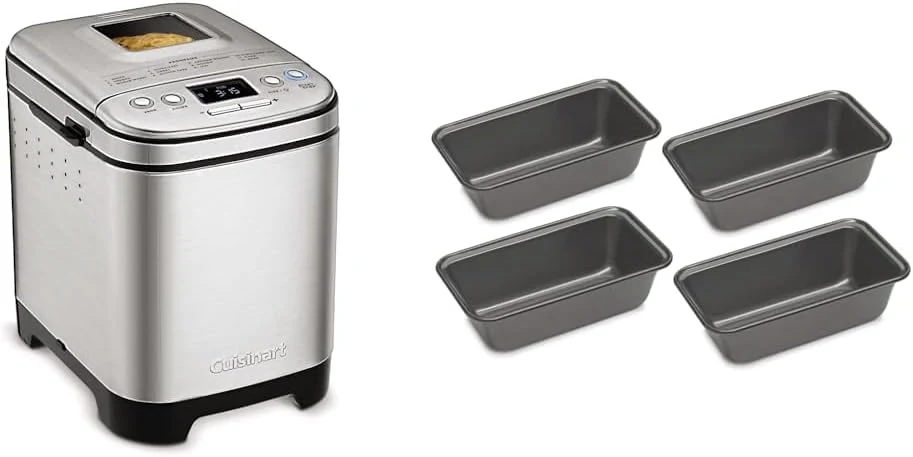
Cuisinart Compact Automatic Bread Maker, Best Value Overall
The Cuisinart Compact Automatic Bread Maker is the hero pick in this roundup, and it earns that spot through consistency rather than any single standout feature. This is the machine I recommend to someone who is genuinely not sure they will stick with bread baking and does not want to spend significantly to find out. If you are still testing the waters, a straightforward entry-level machine that actually works beats a premium unit that ends up gathering dust in a cupboard. It is built for the person who wants to know, after a few weeks of real use, whether baking their own bread is a habit worth keeping, not just an idea that sounded good in the store.
What stood out most once it was on my counter was how approachable the control panel is. It is simple enough that most people get through their first programmed loaf without ever opening the manual, which counts for more than a spec sheet once the machine is actually part of your weekly routine. In back-to-back basic white bread tests, it turned out a consistent, well-risen loaf on every run, no dense middles, no flukes. I ran the French bread cycle expecting a fairly basic result, and it outperformed that expectation: an open crumb, a noticeably thinner crust than the white cycle produces, and results that felt like a genuine step above what its tier usually delivers. The compact footprint fits under standard cabinets, and the large viewing window lets you watch the dough develop without cracking the lid.
Here is the honest trade-off. This is not the machine for someone chasing a bakery-shaped loaf or wanting mix-ins added automatically mid-cycle. The Zojirushi Home Bakery Virtuoso Plus builds in a preheat function and a dual-paddle horizontal pan specifically for that bakery-style shape, and the Breville the Custom Loaf has an automatic dispenser that drops in fruit and nuts at exactly the right moment. The Cuisinart does neither, and for most people shopping on value, that is fine. Paying more for a dispenser or a pan shape you will not actually use is not value, it is just spending. For dependable bread on the cycles you will actually run, this is where the real value sits.
Pricing & availability on Amazon, affiliate link.
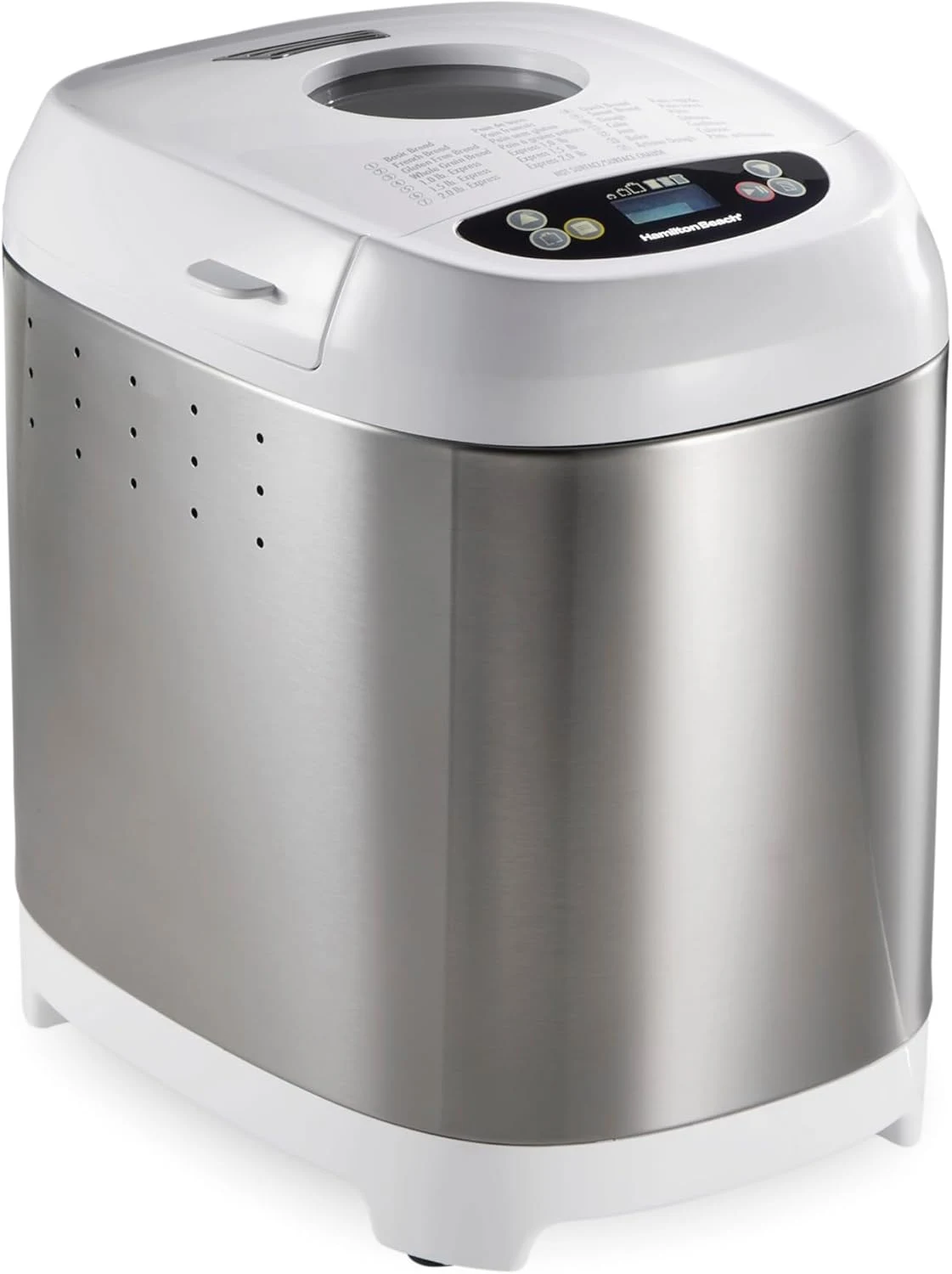
Hamilton Beach Premium Dough & Bread Maker, Best Value for New Bakers
The Hamilton Beach Premium Dough & Bread Maker is the second value pick in this cluster, and it wins its spot on approachability rather than raw performance. It earns its badge on being genuinely easy to live with, not on doing anything more impressive than the Cuisinart. The manual is written for people who have genuinely never used a bread machine before, which sounds like a small thing until you are standing in your kitchen trying to figure out which button starts the dough cycle. For a first machine, or for anyone who wants baking bread to feel less like a technical exercise, that clarity carries real value.
The detail that stood out most in testing was how forgiving it is. I ran it with slightly warm water on one loaf and slightly cool water on another, deliberately testing whether small measurement mistakes would tank the bake. Both loaves worked fine, which is not something I can say for every machine in this category. More finicky premium units can punish exactly that kind of small, everyday inconsistency: the water was a little off, the flour was scooped instead of spooned, and the result is a dense or under-risen loaf. Wider tolerances mean fewer wasted bakes, and a wasted bake costs you flour, yeast, and time regardless of what the machine itself cost. The delay timer was also straightforward to program and stayed reliable across a full week of testing, no missed starts, no confusing menu.
The trade-off is that this machine is not chasing performance ceilings. It will not give you the bakery-shape loaf of the Zojirushi or the hands-free mix-in dispensing of the Breville, and it is not trying to. If your priority is a forgiving machine that gets a beginner to a good loaf without a steep learning curve, the value case is strong. If you already know you want premium-tier features, this is not the machine that adds them later. Buy it for what it actually is: a reliable, low-friction way in.
Pricing & availability on Amazon, affiliate link.
What Value Actually Means for a Bread Machine
Value does not mean the lowest price on the page. It means a machine keeps its promises on the cycles you will actually run, without you paying extra for cycles or features that will sit unused. That distinction matters more for a bread machine than for almost any other countertop appliance, because a bread machine either works consistently or it does not. There is no partial credit for a loaf that only rises properly every other attempt.
Before comparing feature lists, check for the things that actually predict whether a machine will earn its keep:
- Consistency on the basic cycles. Basic white, whole wheat, and French bread should turn out a good loaf on every single run, not most of them.
- A dough cycle that finishes properly. This matters most if you ever plan to shape and bake a loaf by hand instead of letting the machine handle the whole job.
- Tolerance for small mistakes. A machine that handles slightly warm or slightly cool water without punishing you wastes fewer bakes over time.
- Extras that match how you actually cook. A dispenser or a bakery-shape pan is only worth paying for if it fits a habit you already have.
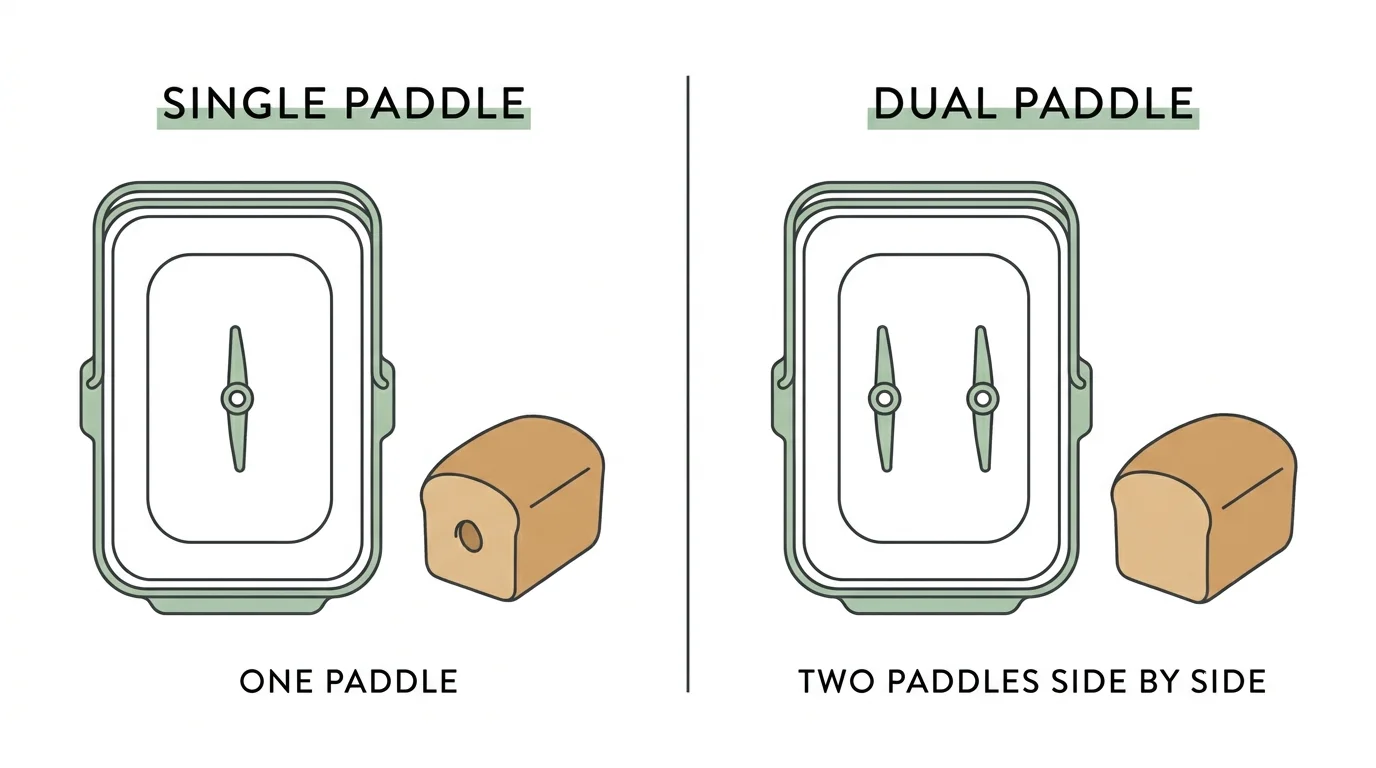
Both the Cuisinart and the Hamilton Beach earned their place in this cluster because they performed reliably on the cycles most people actually use. A machine with a dozen specialty programs but an inconsistent basic white cycle has its priorities backwards. Premium features change that calculation, but only for the right buyer. A preheat function, like the one on the Zojirushi Home Bakery Virtuoso Plus, tempers cold ingredients before kneading starts, which matters if your kitchen runs cold in winter and dense, under-risen loaves have been a recurring problem. A dual-paddle horizontal pan buys you a loaf shaped like something from a bakery instead of the tall, single-paddle brick most machines produce. An automatic fruit-and-nut dispenser, like the one on the Breville the Custom Loaf, adds mix-ins at exactly the right cycle stage instead of you setting a timer to remember it yourself.
None of that makes those features bad. It makes them features with a specific buyer in mind: someone who bakes mix-in loaves often, cares about loaf shape, or lives somewhere cold enough that preheating solves a genuine problem. If that is not you, paying for those extras is not value, it is just spending more for the same basic loaf an entry-level machine already gives you. It is the same logic behind our stainless steel cookware set picks, where the mid-range sets often win on the things that actually matter day to day, like heat distribution and durability, rather than the name on the box. Buy for the cycles you will use, not the ones that sound impressive on a spec sheet.
Frequently Asked Questions
Is a cheaper bread machine actually worth it?
It depends on what you plan to bake. If you want a consistent everyday loaf, basic white or whole wheat, and maybe a French bread cycle now and then, an entry-level machine that nails those cycles is genuinely worth it. The Cuisinart Compact turned out a well-risen loaf on every basic white run in my testing, and that kind of reliability is what actually matters day to day. Save the premium tier for when you know you want a specific feature, like a bakery-shape loaf or automatic mix-ins, badly enough to pay for it.
What features actually matter versus what is just marketing?
Consistency across the cycles you will actually use matters more than a long list of presets. A machine that produces the same well-risen loaf on basic white and French bread, run after run, is doing the hard part right. Things like a bakery-shape pan, an automatic dispenser, or a stack of specialty programs you will bake twice are nice, but they are add-ons, not the foundation. Before comparing preset counts, ask whether the machine handles the two or three cycles you will actually bake every week. Everything past that is a bonus, not a requirement.
Do I need a fruit and nut dispenser?
Only if you actually bake mix-in loaves often enough to want it automated. The Breville the Custom Loaf adds fruit and nuts at the correct point in the cycle automatically, which is a genuine convenience if cinnamon-raisin or walnut bread is part of your regular rotation. If you bake mostly plain white or whole wheat, or you do not mind adding raisins by hand when the machine beeps, you are paying for a feature that will sit unused. That is exactly the kind of extra that separates premium pricing from actual value for most home bakers.
Does a single kneading paddle mean a worse loaf?
Not for basic and French bread cycles, based on my testing. The Cuisinart Compact uses a single paddle and still produced a consistent, well-risen loaf on every run, with the French bread cycle turning out an open crumb and a thinner crust. Where a single paddle shows its limits is loaf shape: you get the standard vertical loaf with a paddle hole in the bottom, not the more bakery-like rectangular shape that a dual-paddle horizontal pan produces. If shape matters more to you than the bake itself, that is a real trade-off worth knowing about upfront.
Will a forgiving machine save me money over time?
In a real sense, yes. A machine with wider tolerances for things like water temperature means fewer failed loaves from small measurement mistakes, and a failed loaf is wasted flour, yeast, and time no matter what the machine cost. In my testing, the Hamilton Beach handled both slightly warm and slightly cool water without issue, on runs where a more finicky premium machine might have produced a denser loaf. Fewer failures is a genuine value argument, not just a beginner-friendly one, especially for anyone still learning how their kitchen’s conditions affect a rise.
The Bottom Line
Real value in a bread machine is not about finding the lowest price, and it is not about buying the longest features list either. It is about matching the machine to what you will actually bake. The Cuisinart Compact is the strongest overall value pick here: simple, consistent, and capable on the cycles most people actually use. The Hamilton Beach earns its place for anyone who wants a more forgiving, beginner-friendly path to the same reliable bread. Either way, you are keeping your money on performance you will use, not on a dispenser or a pan shape that never leaves the box.
Baking your first loaf ever? Our guide to the best bread machine for beginners is built around forgiving tolerances and simple controls.